Legal & Logistics · 8 min read
Published · Updated
In brief
The single most useful thing to know before you start researching Italian marriage law: the majority of couples we photograph marry legally in their home country first, then hold a symbolic ceremony in the Dolomites. It removes almost all the paperwork risk from the trip itself, and it changes nothing about how the day looks or feels in photographs. For couples who do want a legally binding Italian ceremony, the process is manageable, but it has real, nationality-specific requirements worth understanding well before you start booking venues or a photographer.
What the Nulla Osta actually confirms
The Nulla Osta — literally 'nothing obstructs' — is the certificate of no impediment required under Article 116 of the Italian Civil Code for most foreign citizens marrying in Italy. It doesn't grant permission to marry so much as confirm that, under your own country's law, you're legally free to do so: not already married, of legal age, and not otherwise barred from marrying. Italian civil registrars rely on this document specifically because they have no independent way to verify your marital status against foreign records. In practice, this single document is often the one that determines whether a couple can complete a legal Italian ceremony on their intended timeline at all, which is why we always recommend confirming it before locking in a date.
It's typically issued by your own country's consulate — either the consulate based in Italy, or, depending on the bilateral arrangement your country has with Italy, an equivalent document issued by a consulate or registrar back home instead. Because that arrangement genuinely varies by nationality, it's worth confirming with your own embassy early exactly which document applies to you and which office issues it, rather than assuming the process matches a friend's experience from a different country.
The rest of the paperwork: translations, legalisation and prior marriages
Beyond the Nulla Osta itself, expect to need valid passports for both partners, and — if either of you was previously married — official proof that the marriage ended, such as a divorce decree or death certificate. Any document not already issued in Italian needs an official translation, and most foreign civil documents also need to be legalised before an Italian comune will accept them as valid.
For citizens of countries that are part of the Hague Apostille Convention, that legalisation takes the form of an Apostille stamp issued by the relevant authority in your home country — a single-step process compared to what came before it. For citizens of non-Hague countries, the document instead needs full consular legalisation, which is typically a longer, multi-step process involving both your home country's foreign ministry and the Italian consulate. Confirming which category your country falls into is one of the first things worth checking once you decide to pursue a legally binding Italian ceremony. Neither path is inherently faster or slower in every case — what matters is knowing which one applies to you well before you start counting down the months to your wedding date.
Timeline: when to start, and why it varies by nationality
Processing times for the Nulla Osta and its supporting document chain vary meaningfully by nationality and by which consulate or comune you're working with — some couples clear the whole process within a matter of weeks, others need considerably longer if their consulate has a backlog or their country sits outside the Apostille Convention. Some consulates process a steady stream of these requests as routine business; others handle far fewer per year and take proportionally longer, which is exactly the kind of variation that makes a blanket timeline unreliable. As a general guide, start four to six months out, well before venue and photography planning, so paperwork never becomes the thing dictating your date.
This is one of the few parts of Dolomites wedding planning that's genuinely easier to get wrong by starting late than by starting too early. Unlike a venue or photography booking, you can't simply pay to expedite a foreign consulate's backlog, and a missed document deadline can push back a ceremony date in a way that's very difficult to recover from once travel and guest arrangements are already booked.
Why most couples marry legally at home first
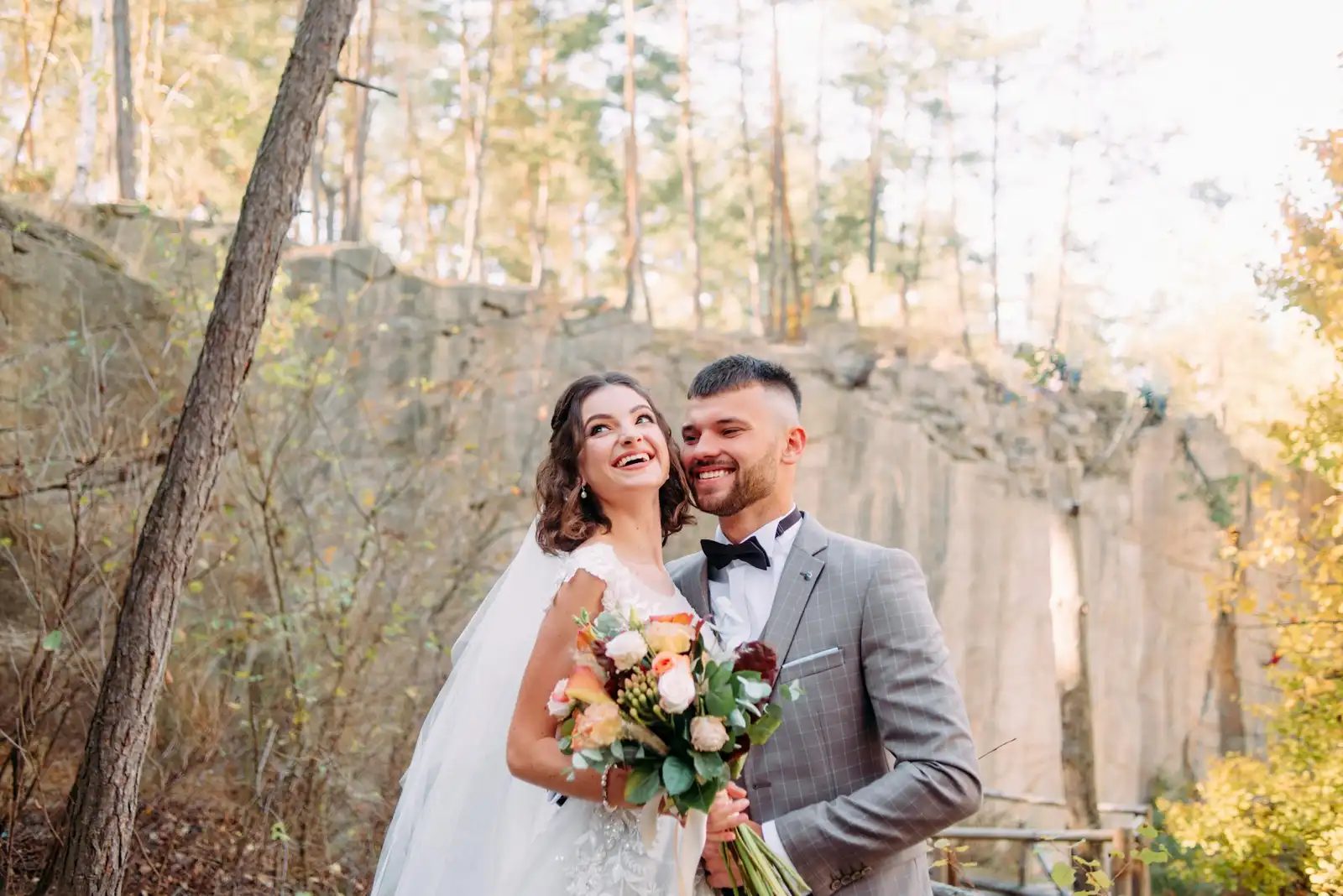
A symbolic ceremony carries no paperwork requirement at all: an officiant leads the same vows, rings and readings, and the day looks identical in every photograph to a legally binding one — which is exactly why the majority of the couples we photograph choose to handle the legal marriage at home, quickly and simply, then treat the Dolomites day as the celebration they actually build the whole trip around. It also sidesteps a subtler risk: a legal ceremony scheduled during your Dolomites trip that depends on a document arriving on time turns your wedding date into a deadline you don't control.
If you're weighing that decision, our best time to get married in the Dolomites guide and cost and budget guide are useful next steps once the legal question is settled. And if you're planning a milestone celebration rather than a first wedding, our vow renewal and anniversary guide covers a route that skips this paperwork question entirely, since a vow renewal is symbolic by definition and needs none of it, anywhere in the world.
Where to get authoritative guidance
Because requirements vary by nationality and change over time, your own country's embassy or consulate in Italy is the authoritative source for exactly what applies to you — we can share what we've seen work for past couples, but we're not a substitute for that direct confirmation. Most couples raise this question during their initial consular contact for the Nulla Osta itself, which is also the point at which a specialised wedding-planning attorney or a local wedding planner familiar with Italian civil procedure becomes worth considering if the legal route feels complex.
Whichever route you choose, it's worth settling the legal question before locking in a photography date, simply so a paperwork delay never has the power to move your wedding day.
Frequently asked questions
Do we need to be legally married in Italy for our wedding to count?
No. A civil ceremony at home followed by a symbolic ceremony in the Dolomites is legally valid and by far the most common approach for our international couples.
What is a Nulla Osta and who needs one?
It's a certificate of no impediment, required under Article 116 of the Italian Civil Code for most non-Italian citizens who want a legally binding Italian ceremony. It confirms you're legally free to marry under your own country's law.
How long does the Nulla Osta process take?
Processing time varies meaningfully by nationality and by consulate — some couples clear it in a matter of weeks, others need longer, particularly if their home country isn't part of the Apostille Convention. Start four to six months ahead if a legal Italian ceremony matters to you.
Do our documents need an Apostille?
If your country is part of the Hague Apostille Convention, yes — foreign documents need an Apostille before an Italian comune will accept them. If it isn't, the equivalent step is full consular legalisation instead, which generally takes longer.
What if one of us was previously married?
You'll need official proof the previous marriage ended — a divorce decree or death certificate — translated and legalised the same way as your other documents, in addition to the Nulla Osta.
Can we get legally married directly in the Dolomites, or only at home?
A legal civil ceremony directly in Italy is possible once your Nulla Osta and supporting documents are in order and registered with the local comune, though most of our couples find it simpler to marry legally at home and treat the Dolomites day as symbolic.