Iconic Dolomites locations

Explore the places, light and access plans behind our most requested celebrations.

In brief

Nine locations, nine different couples: gentle meadows for guests who can't hike, knife-edge ridges for those who want scale, and a five-star town for a full weekend rather than one ceremony. Each section below says who it actually suits, not just what it looks like.

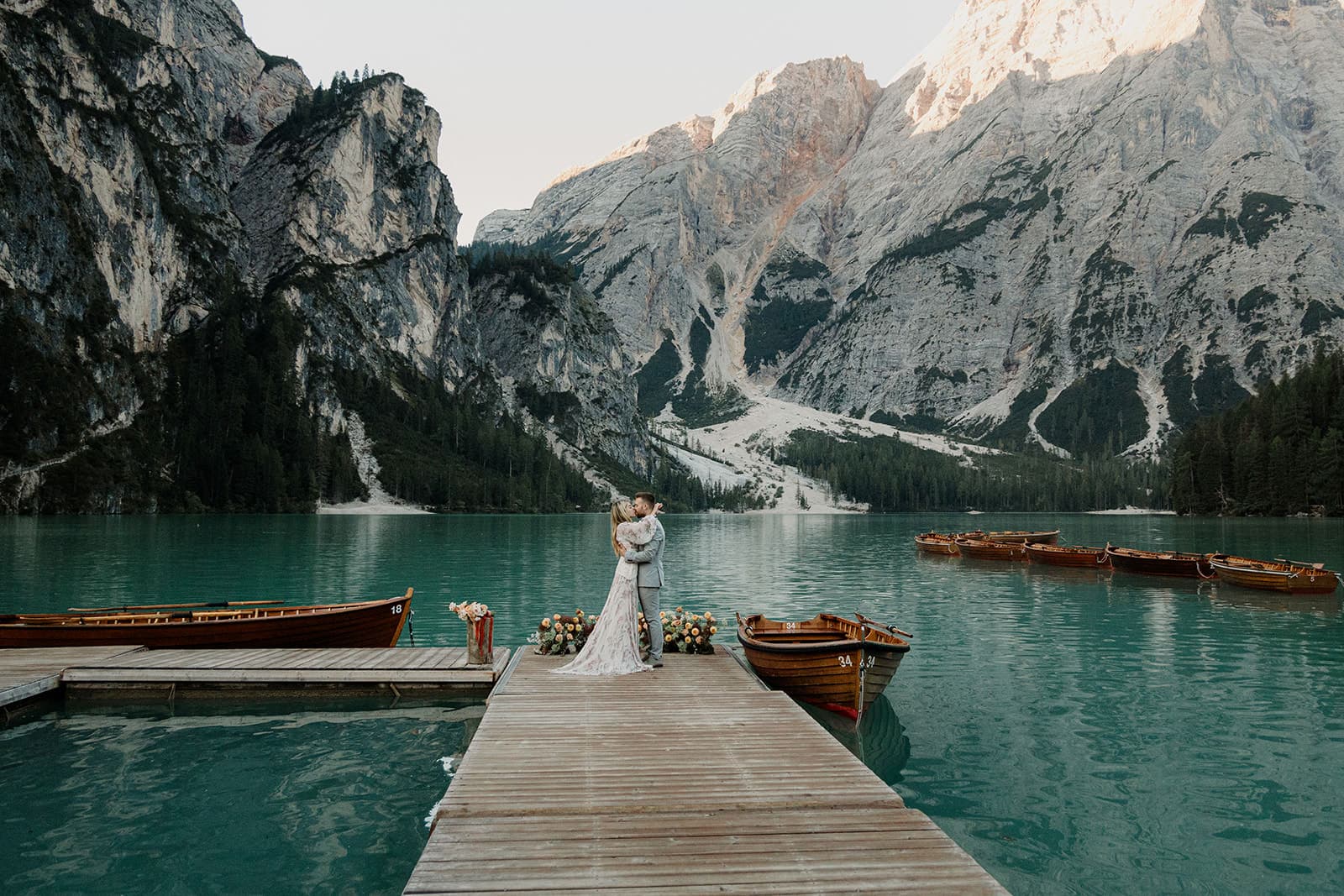
Lago di Braies (Pragser Wildsee)

Sunrise (05:45 - 07:30 AM) for mirror water and zero tourists

Lago di Braies (Pragser Wildsee)

Lago di Braies is the jewel of the UNESCO Dolomites. With emerald-green waters cradled by the vertical limestone face of Croda del Becco, it offers one of the most romantic backdrops on earth.

Best for couples who want the single most photographed lake in the Dolomites entirely to themselves — which only happens before the day-trip crowds arrive at 9am. We usually pair it with a late-morning session at Prato Piazza, ten minutes away, for two distinct moods from one shared travel day.

Access: Direct road access with pre-booked parking or hotel permit

Check availability for Lago di Braies (Pragser Wildsee) →
Seceda & Val Gardena

Golden hour sunset or early morning right after the first cable car

Seceda & Val Gardena

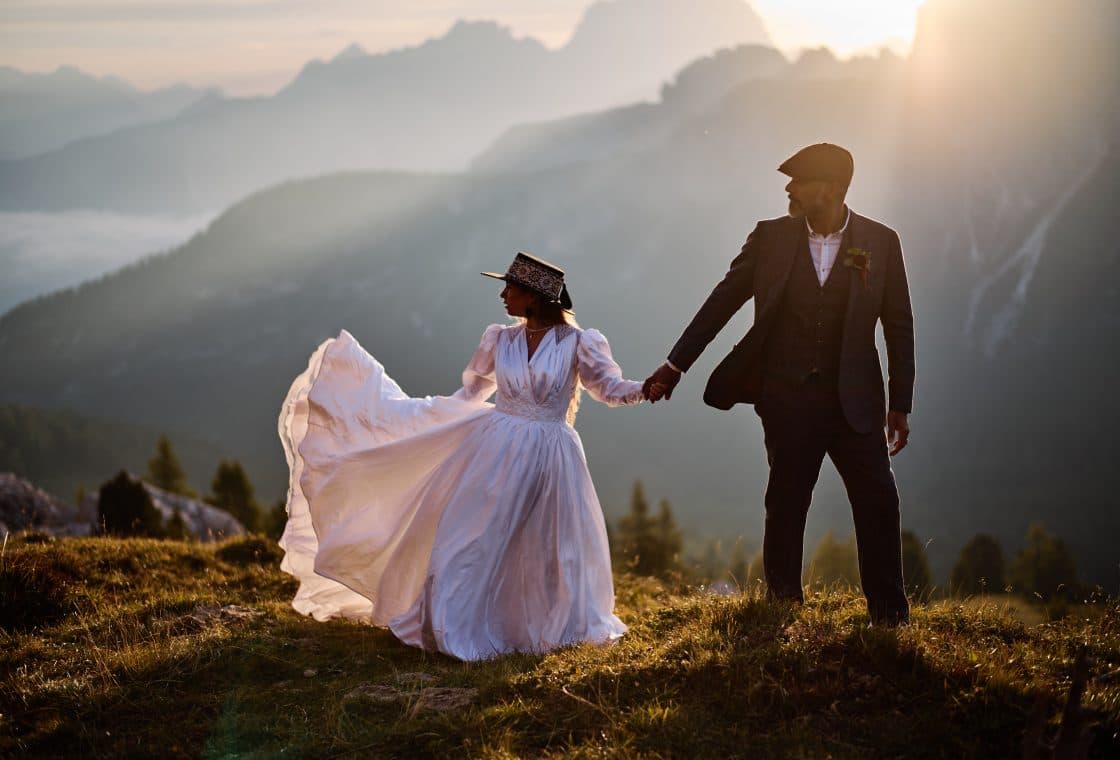
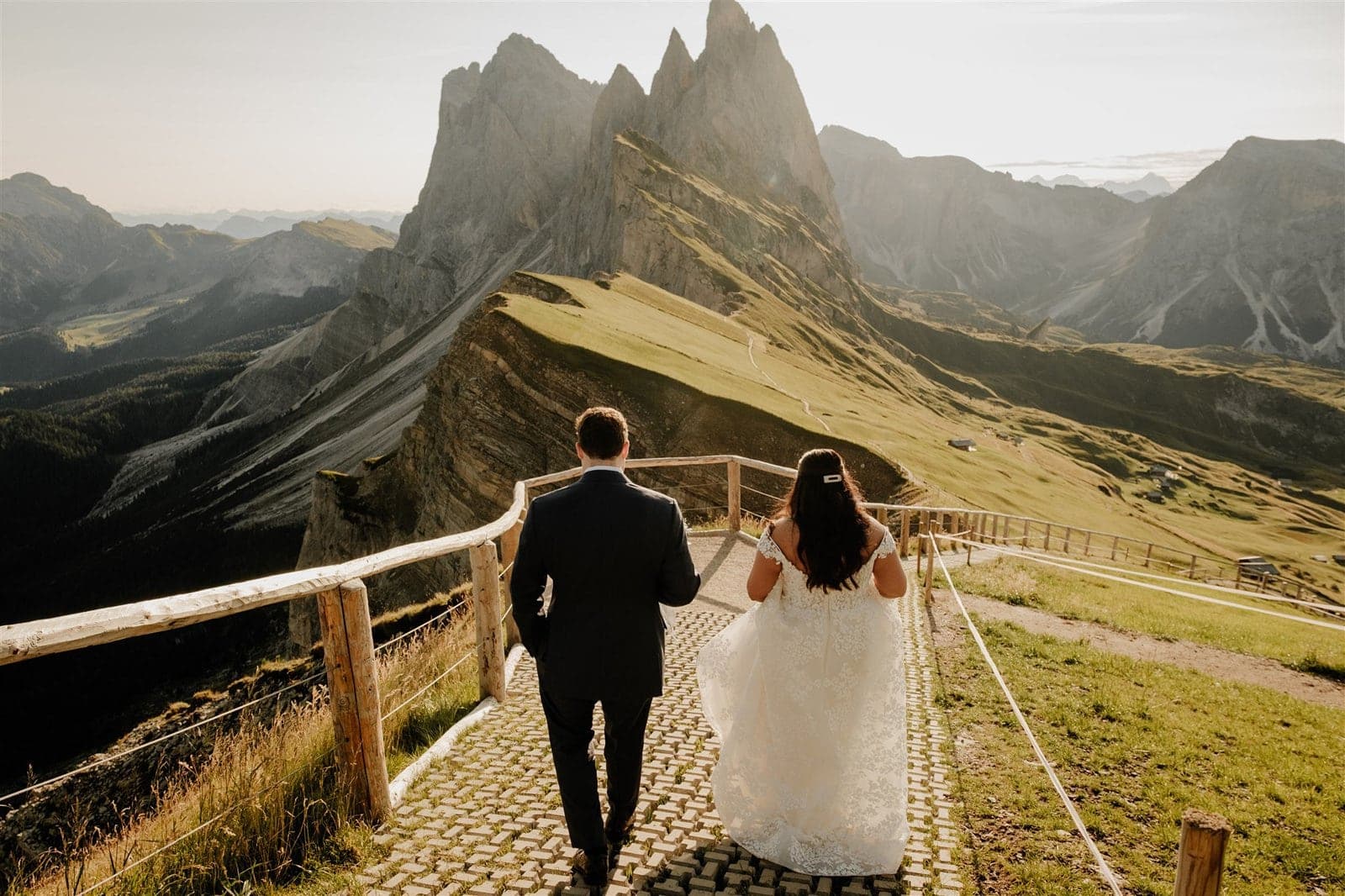
At 2,519 meters altitude, the knife-edge grassy crest of Seceda plunges into the vertical north faces of the Odle group. It represents the quintessential cinematic alpine backdrop.

Best for couples chasing the widest sense of scale a lens can hold, without paying for it in hiking. A cable car does the climbing in twenty minutes, and a sunset booking means the ridge empties of day-hikers just as the light turns best.

Access: Cable car from Ortisei or Col Raiser from Santa Cristina + gentle 10-minute walk

Check availability for Seceda & Val Gardena →
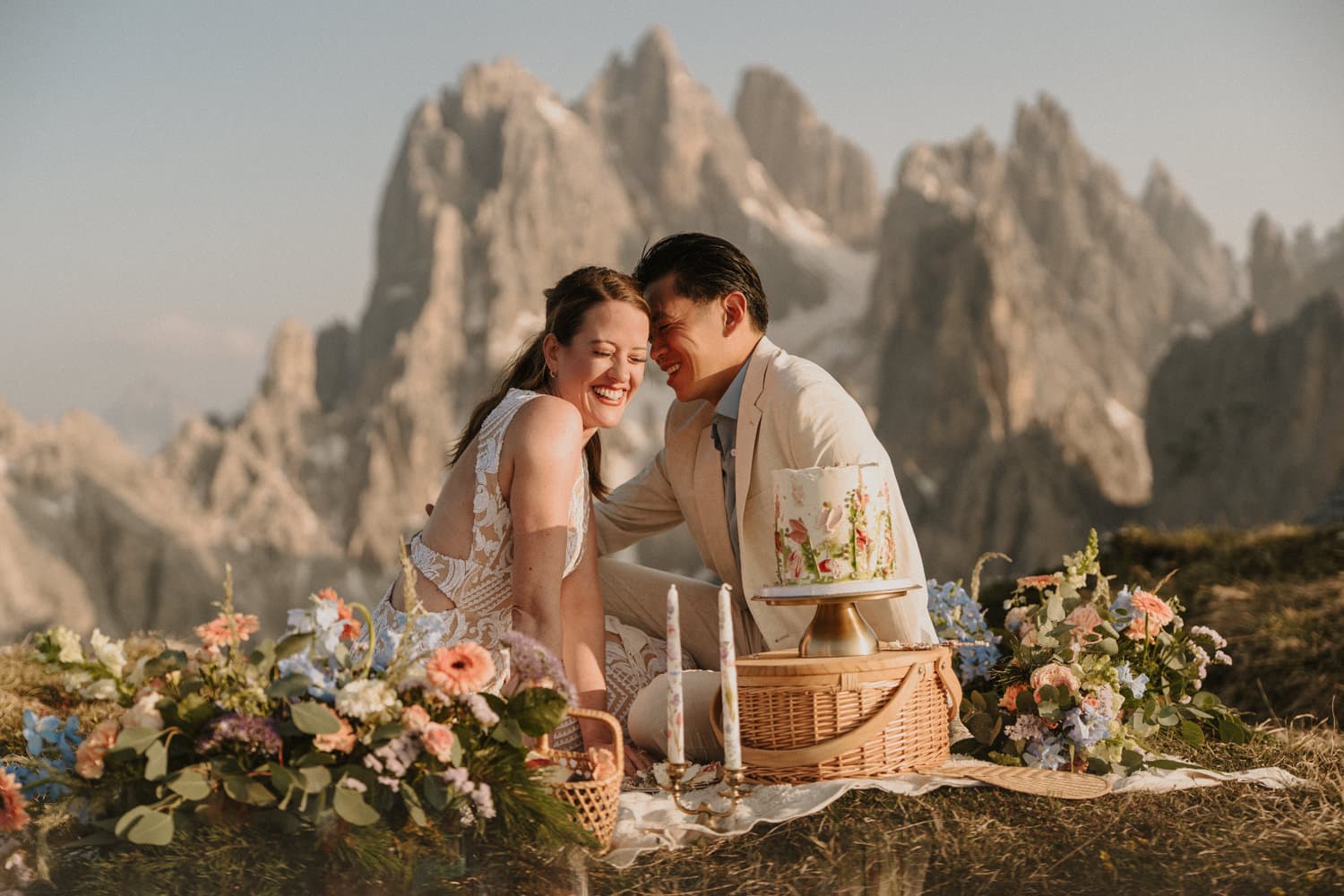
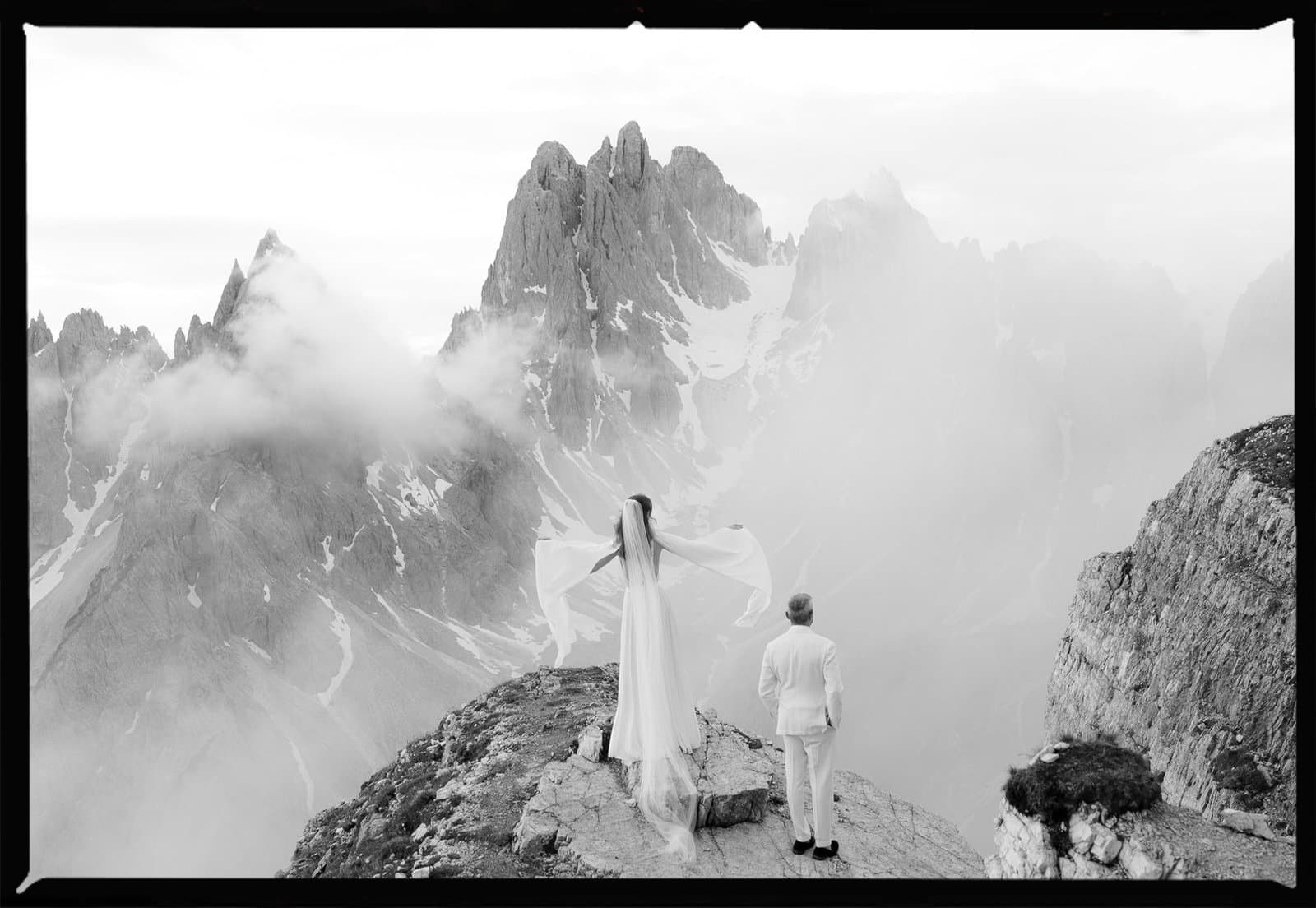
Tre Cime di Lavaredo & Cadini di Misurina

Sunrise for stillness; sunset for pink dolomite reflections

Tre Cime di Lavaredo & Cadini di Misurina

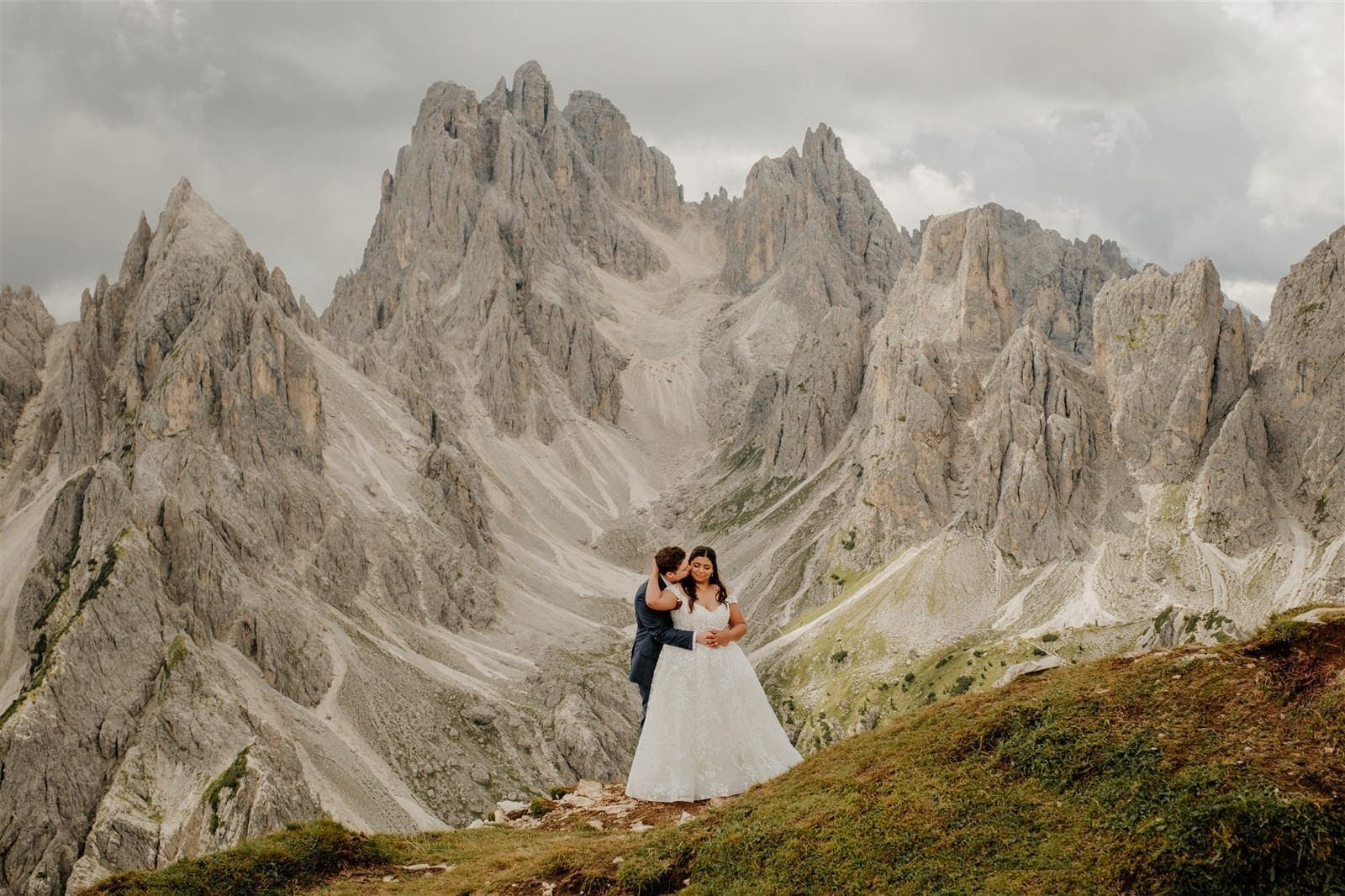
Tre Cime di Lavaredo is the defining silhouette of the Alps. Paired with the gothic pinnacles of Cadini di Misurina, this region offers unforgettable scale for couples with an adventurous spirit.

Best for couples who want their photographs to look like an expedition rather than a garden ceremony. The toll road removes most of the elevation gain, but not the drama — expect wind, exposed rock and genuinely wild backdrops even on an easy day.

Access: Toll road up to Rifugio Auronzo at 2,333m, followed by scenic trail

Check availability for Tre Cime di Lavaredo & Cadini di Misurina →
Alpe di Siusi (Seiser Alm)

Sunrise with mountain mist or late afternoon golden meadow glow

Alpe di Siusi (Seiser Alm)

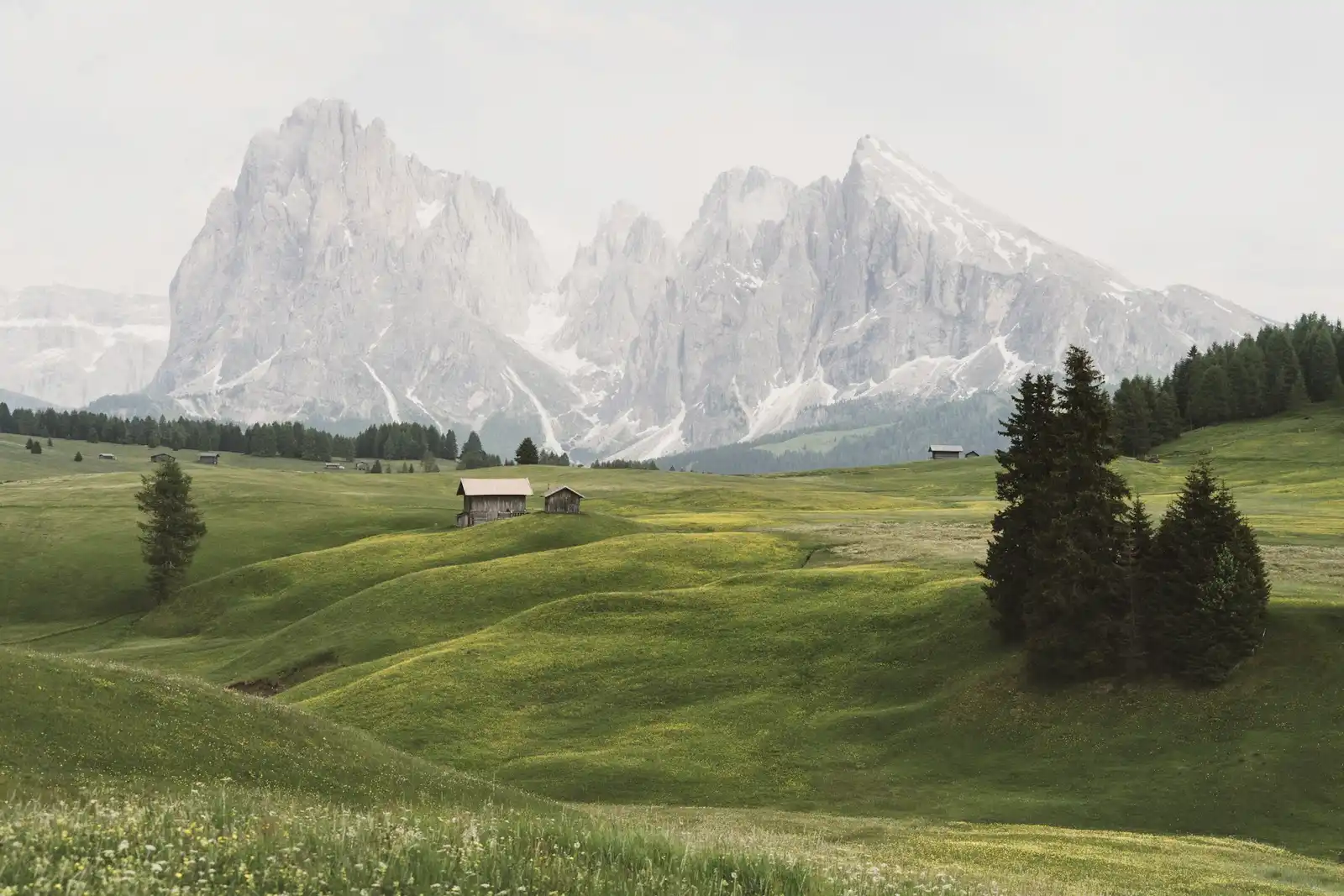
Alpe di Siusi is Europe's largest high-altitude meadow. With undulating green pastures, historic wooden hay chalets, and the rugged towers of Sassolungo and Sciliar on the horizon, it is serene and poetic.

Best for couples traveling with guests, trailing gowns, or anyone who'd rather not hike in formalwear. Europe's largest alpine meadow photographs beautifully over flat, gentle ground — the most forgiving terrain of any location in this guide.

Access: Cable car from Siusi/Ortisei or authorized driving permits for lodge guests

Check availability for Alpe di Siusi (Seiser Alm) →
Cortina d'Ampezzo

Year-round: wildflower summers, golden larch autumns, and winter wonderland snow

Cortina d'Ampezzo

Host town of the Winter Olympics and timeless haunt of international cinema icons, Cortina d'Ampezzo marries raw alpine geology with five-star Italian hospitality and fashion.

Best for couples planning a full weekend rather than a single ceremony. It's the only location in this guide with five-star hospitality, fine dining and a town center minutes from every backdrop — ideal when guests are flying in and need somewhere to stay.

Access: Two hours from Venice Marco Polo Airport with luxury chauffeur transfers

Check availability for Cortina d'Ampezzo →
Passo Giau

Golden Hour through Blue Hour (1 hour before sunset until 30 minutes after)

Passo Giau

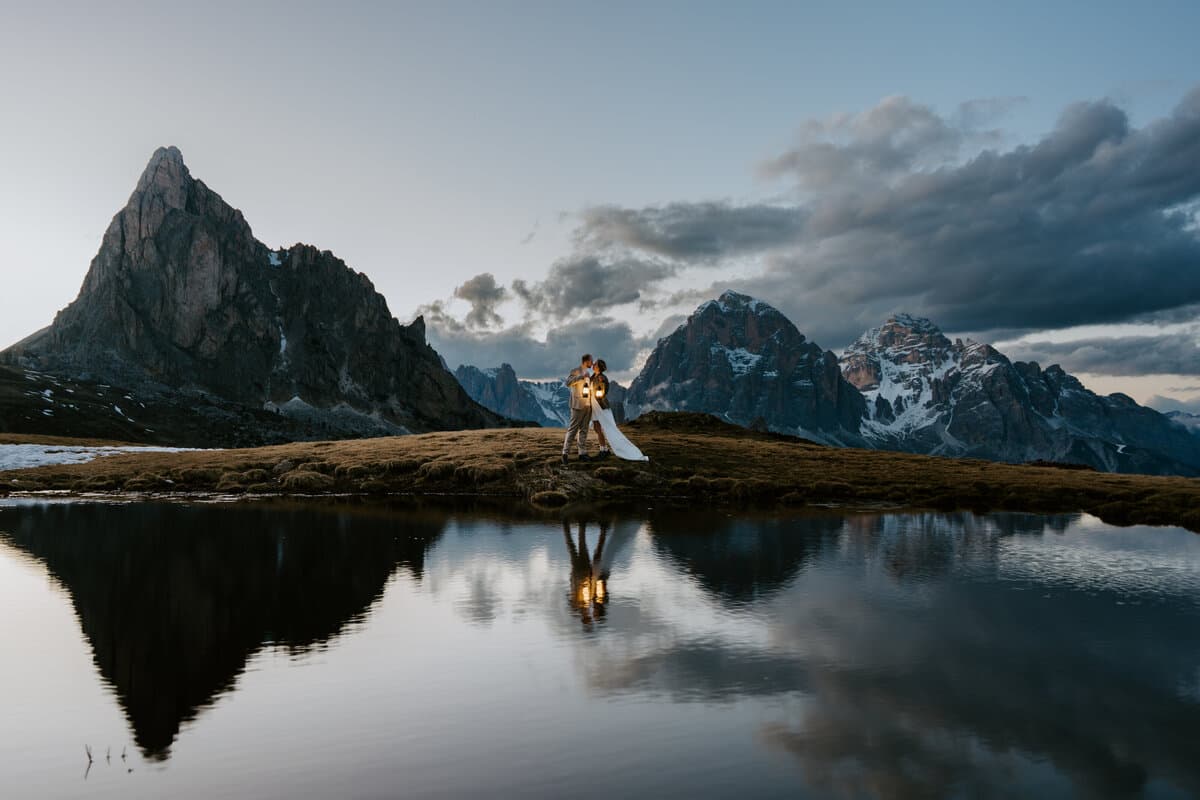
Passo Giau is widely regarded as having the most expansive 360-degree panorama in the Dolomites, framed by the monolithic pyramid of Ra Gusela and the Nuvolau ridge.

Best for couples who want a full 360-degree horizon without any hiking at all. The pass road climbs to 2,236m by car, so all of the effort goes into planning the light rather than the terrain — a strong pick for an evening-only add-on to a Cortina base.

Access: Direct mountain pass road paved to 2,236m; zero hiking required to reach panoramas

Check availability for Passo Giau →
Val di Funes & St. Magdalena

Late afternoon for warm front-lit illumination on the Odle cliffs

Val di Funes & St. Magdalena

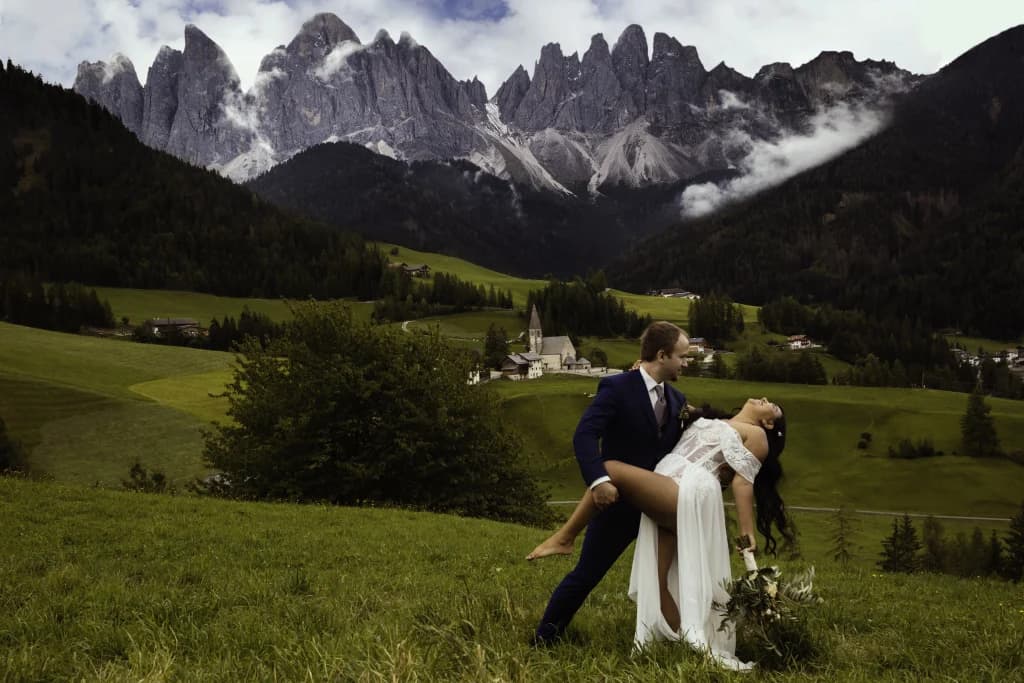
Val di Funes is the epitome of pastoral South Tyrol peace. The tiny baroque belltower of St. Magdalena and the freestanding St. Johann in Ranui chapel sit surrounded by meadows against the Odle spires.

Best for couples who picture a fairy tale rather than an expedition. Paved country roads, a storybook chapel and gentle meadows make this the easiest full day of shooting in the portfolio — a natural fit if family or older guests are joining part of the day.

Access: Paved country roads and easy scenic walking paths through green valleys

Check availability for Val di Funes & St. Magdalena →
Prato Piazza (Plätzwiese)

Late morning through golden hour; light stays workable most of the day

Prato Piazza (Plätzwiese)

Prato Piazza is the high alpine meadow above Lago di Braies — wide, quiet and ringed by dramatic peaks, with a fraction of the lake's crowds and an entirely different, more pastoral mood.

Best for couples who love the idea of Lago di Braies but not its 9am crowds. Same alpine drama, a fraction of the footfall, and easy enough to combine into one morning if you shoot the lake at sunrise first.

Access: Cable car or seasonal shuttle from the Braies valley; flat, easy walking once on the plateau

Check availability for Prato Piazza (Plätzwiese) →
Lago di Sorapis

Midday for the most saturated turquoise colour in the water

Lago di Sorapis

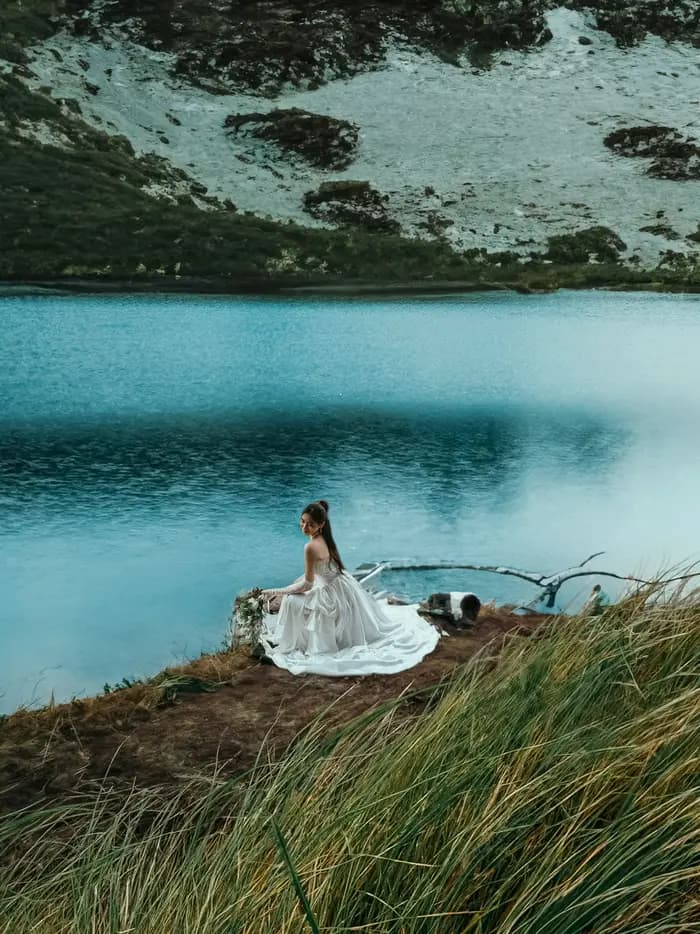
Lago di Sorapis is the most striking turquoise water in the Dolomites, reached only on foot — the location for couples who want the hike itself to be part of the story, not just the destination.

Best for couples who want the effort to be part of the story, not a footnote to it. Two hours of hiking each way earns water color unlike anywhere else in the range — reserve this one for guests who genuinely don't mind earning the shot.

Access: 2-hour hike each way from Passo Tre Croci; moderate difficulty, some exposed sections

Check availability for Lago di Sorapis →
Passo Sella (Sella Pass)

Golden hour July through October; the pass road is open late May to October

Passo Sella (Sella Pass)

Passo Sella sits at 2,240 metres between Val Gardena and Val di Fassa, part of the legendary Sellaronda circuit — a broad, paved saddle ringed by the vertical walls of the Sella massif on one side and the jagged Cir spires on the other.

Best for couples who want Passo Giau's road-accessible drama but with a different rock formation and the option to pair it with a Val Gardena-based trip rather than a Cortina one. No hiking is required to reach any of the viewpoints along the pass.

Access: Fully paved mountain pass road with roadside parking; zero hiking required

Check availability for Passo Sella (Sella Pass) →
Marmolada

Midday for stable cable car operation and clear glacier views; check wind conditions above 3,000m before booking

Marmolada

At 3,343 metres, Marmolada is the highest peak in the Dolomites and holds the range's largest glacier — a cable car from Malga Ciapela climbs to Punta Rocca at 3,265m in around twelve minutes, trading a mountain hike for one of the most dramatic viewpoints in the Alps.

Best for couples who want the single highest-altitude session in our portfolio without a technical climb — the cable car does the work, though the tradeoff is genuine high-mountain weather and a shorter, more weather-dependent window than a road-accessible pass.

Access: Cable car from Malga Ciapela (1,450m) to Punta Rocca (3,265m) in around 12 minutes; no hiking required for the summit viewpoint

Check availability for Marmolada →
Cinque Torri

Sunrise for the quietest light and fewest visitors

Cinque Torri

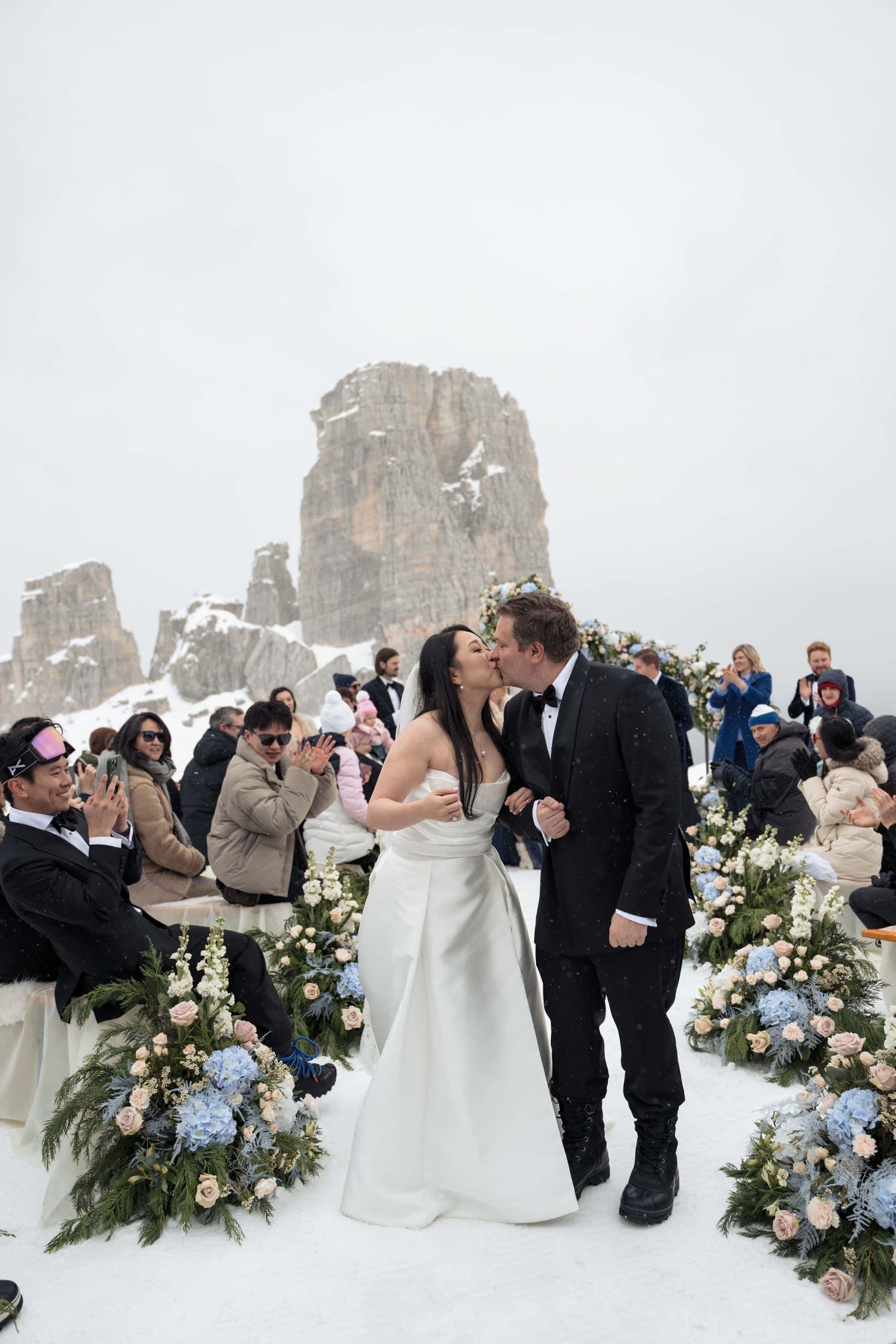
Cinque Torri — five freestanding rock towers rising from a grassy hillock near Cortina d'Ampezzo — pairs dramatic, sculptural rock formations with genuinely quieter crowds than better-known Cortina viewpoints, plus an open-air First World War museum woven through the same trails.

Best for couples staying in Cortina who want a half-day addition with real visual drama but a shorter, easier approach than Tre Cime or Lago di Sorapis — the chairlift removes most of the effort, and sunrise here is reliably uncrowded.

Access: Chairlift from Baita Bai de Dones (1,889m) to near the towers (2,255m), or an easy hike; roughly 25 minutes from Cortina d'Ampezzo

Check availability for Cinque Torri →
Corvara (Alta Badia)

Year-round: summer meadows, golden autumn, snow-covered winter for a ski-town wedding

Corvara (Alta Badia)

Corvara sits at 1,568 metres in Alta Badia, the Ladin-speaking heart of the Dolomites known for Michelin-level dining and a quieter, more intimate luxury register than Cortina's town-centre glamour — with the Boè cable car climbing to over 2,200 metres for high-altitude portraits above the village.

Best for couples who want Cortina's five-star infrastructure without the town-centre scale — Alta Badia's hospitality leans toward smaller, more intensively hosted properties and gourmet dining, with real high-altitude drama a short cable car ride above the village.

Access: Central within the Dolomites road network; the Boè cable car reaches Piz Boè at over 2,200m for high-altitude portraits

Check availability for Corvara (Alta Badia) →

Let's turn your vision into timeless images

Tell us your date and vision — we'll handle the rest, and reply personally within one business day.

Now booking 2026–2027 · limited dates